Monday, September 28, 2026 9:00 AM – 11:00 AM
SC1A SC1A: Protein Degraders from a Beyond-Rule-of-Five and an ADME Perspective
This course focuses on proteolysis targeting chimeras (PROTACs) and will cover topics relevant to developing them as oral therapeutics. The course will include an in-depth look at their physicochemical properties and how these influence solubility and permeability. It will examine ADME topics focusing on in vitro assays for stability, polarity, transporters, drug-drug interactions (DDIs), Cytochrome P450 (CYP450) inhibition, and more. Topics will include looking at what is known about how PROTACs are metabolized in vivo and strategies to deliver them with adequate PK/PD.
Instructors:
Prasoon Chaturvedi, PhD, Former Vice President & Head, DMPK, C4 Therapeutics, Inc.
Stefanus Steyn, PhD, Research Fellow, Pharmacokinetics Dynamics & Metabolism, Pfizer
INSTRUCTOR BIOGRAPHIES:
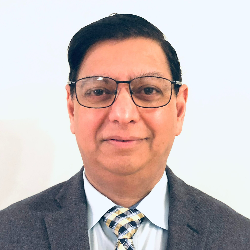 Prasoon Chaturvedi, PhD, Former Vice President & Head, DMPK, C4 Therapeutics, Inc.
Prasoon Chaturvedi, Ph.D., led the DMPK efforts in the protein degrader space as Vice President, DMPK, at C4 Therapeutics in Watertown, MA. Over the last two decades, Prasoon has worked with numerous cutting-edge technologies to drive drug development endeavors in multiple therapeutic areas including infectious disease, oncology, hematology, cardiovascular, inflammation, and rare diseases leading to multiple successful IND, CTA, and NDA filings and has made key DMPK contributions for several marketed drugs including NUZYRA and ONPATTRO. Prasoon holds a Ph.D. from IIT, Roorkee (India), and did his postdoctoral training at E.K. Shriver Center of Harvard Medical School, MA.
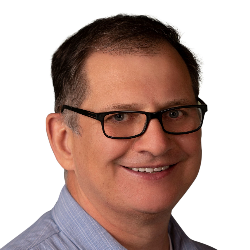 Stefanus Steyn, PhD, Research Fellow, Pharmacokinetics Dynamics & Metabolism, Pfizer
I have a Ph.D. in Pharmaceutical Chemistry and completed post-doctoral studies in the laboratory of Professor Neal Castagnoli at Virginia Tech. I have over 20 years pharmaceutical industry experience with over forty co-authored publications. I have spent most of my career at Pfizer in various roles within PDM (DMPK), supporting projects ranging from oncology to neuroscience and currently, Inflammation and Immunology (I&I). I am currently a Research Fellow, and my responsibilities include setting the DMPK research and project strategies within the I&I Research Unit. In addition, my team and I function as Project Representative within I&I while I also have responsibilities as a Research Project Lead for various Discovery programs. My interests include prediction of human ADME as well as exploring physicochemical properties and how they relate to ADME with a focus on absorption. PROTACs are of special interest given their unique beyond Rule-of-5 properties and the ADME challenges they present relative to classical small molecules.
SC2A SC2A: Biophysical Approaches for GPCRs
This course will cover NMR screening methods for membrane proteins, especially GPCRs; and provide an overview of current technologies for GPCR structure determination. The course will also cover the biophysical techniques of surface plasmon resonance (SPR) and SPR microscopy in the context of membrane-protein targeted drug discovery.
Jonathan Brooks, Principal Scientist, Inflammation & Remodeling, Pfizer Inc.
Kris A. Borzilleri, Principal Scientist, Structural Biology & Molecular Sciences, Pfizer Global R&D, Groton Labs
Matthew T. Eddy, PhD, Associate Professor, Chemistry, University of Florida, Gainesville
INSTRUCTOR BIOGRAPHIES:
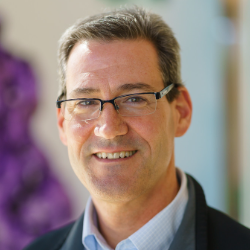 Jonathan Brooks, Principal Scientist, Inflammation & Remodeling, Pfizer Inc.
Jonathan began his career at Genetics Institute in 1990 developing immunoassays for use in pharmacokinetics and process development. Jon has over 30 years of experience in label free analysis of receptor ligand interactions and small molecule target binding associated with several respiratory and inflammatory disease areas. Currently, he is a principal scientist in the inflammation and Immunology drug discovery research unit at Pfizer in Cambridge Massachusetts. His current focus is on-cell target interaction analysis using SPRm.
Jon received his MS in Biology from Harvard University.
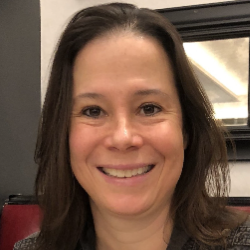 Kris A. Borzilleri, Principal Scientist, Structural Biology & Molecular Sciences, Pfizer Global R&D, Groton Labs
25+ years of experience within Pfizer Research and Development focusing on target-ligand interactions using a variety of biophysical techniques. The earlier part of my career was spent was largely focused on protein NMR techniques to solve protein structures and evaluate ligand binding. In an effort to provide greater impacts, my efforts turned towards a variety of biosensing techniques (SPR, BLI, SPRm) to access binding interactions for targets across the Pfizer portfolio. With recent technology development, I have been able to apply these biophysical techniques to membrane proteins in the whole cell environment as well as in membrane preparations.
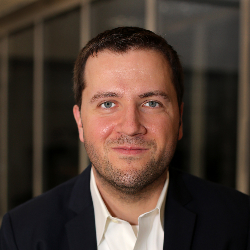 Matthew T. Eddy, PhD, Associate Professor, Chemistry, University of Florida, Gainesville
Matthew Eddy received his PhD in physical chemistry from the Massachusetts Institute of Technology in the laboratory of Professor Robert Griffin. During his PhD, Dr. Eddy developed new approaches for using nuclear magnetic resonance (NMR) in the solid state to determine structures of membrane proteins in cellular-like environments. Following his PhD, Dr. Eddy joined the laboratories of Professors Raymond Stevens and Kurt Wüthrich at The Scripps Research Institute as an American Cancer Society Postdoctoral Fellow, applying an integrative structural biology approach to study human G protein-coupled receptors (GPCRs) and focusing on applications of nuclear magnetic resonance to improve our understanding of GPCR allosteric functions. Dr. Eddy is currently an assistant professor in the Department of Chemistry at the University of Florida and affiliated faculty of the National High Magnetic Field Laboratory. His group continues to study human GPCRs to understand the role of the cellular environment in regulating GPCR dynamics, structure, and function.
SC3A SC3A: Next-Gen ADCs, Advanced Linkers & Conjugates: Mastering Design, Linker Optimization & Stability
Conjugated modalities such as antibody-drug conjugates (ADCs), oligonucleotide conjugates, and peptide-drug conjugates are revolutionizing precision medicine. However, their success relies on smart linker strategies that ensure stability, controlled payload release, and manufacturability. This intensive 2-hour course will explore the latest innovations in linker chemistry, site-specific conjugation, formulation and delivery considerations, and scalable manufacturing approaches. Participants will gain practical insights into optimizing linker design for enhanced efficacy, reduced toxicity, and regulatory compliance.
9:00 AM Instructors:
Sunny Zhou, PhD, Professor, Chemistry & Chemical Biology, Northeastern University
Amit Nayyar, PhD, Senior Director, Xtalpi
INSTRUCTOR BIOGRAPHIES:
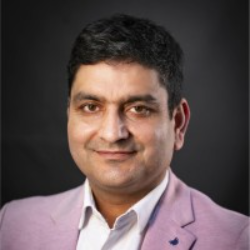 Amit Nayyar, PhD, Senior Director, Xtalpi
Dr. Amit Nayyar is a distinguished medicinal chemist and drug discovery scientist with over two decades of experience in synthetic and medicinal chemistry. His work has been instrumental in developing life-saving treatments for infectious diseases, cancer, and metabolic disorders. Notably, he played a pivotal role in the development of Pretomanid (PA-824), an FDA-approved drug for treating extensively drug-resistant (XDR) and multidrug-resistant (MDR) tuberculosis. His expertise encompasses multiple therapeutic areas, including oncology, infectious diseases, and kinase inhibitor research. Currently, Amit has started working as Senior director at AI based drug discovery and development company Xtalpi. Earlier, Dr. Nayyar serves as the General Manager at Cohance Life Sciences in Montreal, Canada, where he leads innovative projects in antibody-drug conjugates (ADCs), payload linkers, and novel payload development, advancing targeted cancer therapies. Previously, as a Principal Scientist at Theratechnologies Inc., he contributed to peptide-drug conjugates utilizing SORT1 Technologyâ„¢, optimizing linker chemistry for enhanced stability and efficacy. His efforts resulted in the development of two preclinical candidates awaiting movement to clinic. Dr. Nayyar also served as a Principal Scientist at Paraza Pharma, where he played a key role in protein kinase inhibitor (PKI) programs. His early career included positions at Advanced Molecular Technologies (AMT) in Australia, AMRI Global in Singapore, and the National Institutes of Health (NIH) in Bethesda, USA, where he contributed to tuberculosis drug development in collaboration with the Novartis Institutes for Tropical Diseases. Beyond drug development, Dr. Nayyar has extensive experience in strategic project management, patent filings, and cross-functional collaborations. He has authored multiple patents and high-impact peer-reviewed publications. Dr. Nayyar holds a Ph.D. in Medicinal Chemistry from the National Institute of Pharmaceutical Education and Research (NIPER), India.
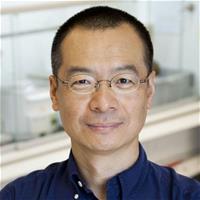 Sunny Zhou, PhD, Professor, Chemistry & Chemical Biology, Northeastern University
Professor Zhou’s laboratory applies protein chemistry, analysis and engineering to biology and medicine. One program is “Hybrid Modality Engineering of Proteinsâ€â€”a platform to introduce non-canonical chemical moieties and/or scaffolds into peptides and proteins to confer novel functions otherwise unavailable, such as photomedicine. The second is to devise chemo-enzymatic methodologies to characterize protein modifications, such as crosslinking, isoaspartic acid formation (asparagine deamidation) and methylations. In collaboration with biologists and clinicians alike, we also investigate their biological effects, and moreover, as critical attributes in protein pharmaceuticals.
Over the past decade, Professor Zhou has been actively collaborating and consulting with biotech and pharm companies on biotherapeutics, enzymes and protein chemistry. These collaborations have led to the elucidation of product and process-related modifications (many of which were previously unknown). He also developed and now teaches a new advanced course entitled “Chemistry and Design of Protein Pharmaceuticals,†as well as workshops on antibody-drug conjugates (ADC), and training courses for scientists from industry, academia, and regulatory agencies in the US, China, and APEC economies.
Monday, September 28, 2026 1:30 PM – 3:30 PM
SC4A SC4A: DNA-Encoded Libraries in Drug Discovery: Design, Screening, and Lead Development
This course provides a comprehensive overview of DNA-Encoded Library (DEL) technology, including library design, synthesis workflows, selection methodologies, data analysis, and hit identification. Participants will learn best practices for constructing and curating DEL collections, along with effective strategies for screening, prioritizing, and advancing hits from DEL campaigns, including emerging DEL applications. The course will also cover interpretation of selection data and the use of AI/ML approaches to accelerate hit-to-lead progression and early-stage drug discovery.
Instructors:
Svetlana Belyanskaya, PhD, Co-Founder, DEL Source; former DEL Platform Manager, GSK; Vice President, Biology, Anagenex
Ghotas Evindar, PhD, Co-Founder & President, DEL Source; former DEL Platform Senior Manager, GSK; former Head of Research, Exo Therapeutics; former Head of Research, 1859
Ching-Hsuan Tsai, PhD, Executive Director, Structure Therapeutics
INSTRUCTOR BIOGRAPHIES:
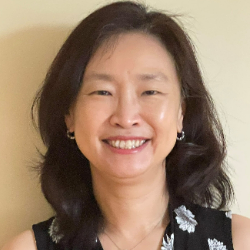 Ching-Hsuan Tsai, PhD, Executive Director, Structure Therapeutics
Currently, I am Executive Director at Structure Therapeutics, where I am leading a team and effort to leverage high-throughput affinity-based selection technologies to discover novel chemical matters for GPCR targets. Prior to Structure Therapeutics, I was Director of Discovery Technologies at Relay Therapeutics, where I led a group focused on advancing DNA Encoded Library screening to enable the discovery of novel chemical matter via Machine Learning. Prior to joining Relay, I worked at GlaxoSmithKline, where I spearheaded efforts to enable functional DEL screening, DEL screens for lead discovery programs, and the application of DEL for targeted delivery.
 Ghotas Evindar, PhD, Co-Founder & President, DEL Source; former DEL Platform Senior Manager, GSK; former Head of Research, Exo Therapeutics; former Head of Research, 1859
Dr. Ghotas Evindar is a recognized leader in drug discovery and a pioneer in DNA-Encoded Library (DEL) technology, with over two decades of experience advancing small-molecule therapeutics across the biotech and pharmaceutical industries. He currently serves as Co-Founder and President of DEL Source Inc., where he leads efforts to develop and apply DEL-based discovery platforms that enable the identification of novel therapeutics for challenging targets.
Previously, Dr. Evindar led DEL discovery at GlaxoSmithKline (GSK) as Senior Site Manager in Boston, guiding numerous programs from early hits to development candidates. Earlier in his career, he was a core member of the original Praecis Pharmaceuticals team that helped establish the DEL platform as a transformative drug discovery technology, and he began his industry career as a medicinal chemist at Vertex Pharmaceuticals. Dr. Evindar has also held senior leadership roles as Head of Drug Discovery at 1859 Inc. and Exo Therapeutics.
Dr. Evindar is widely recognized for his innovative contributions to DEL platform development, library design, and small-molecule discovery. A frequent speaker and educator, he actively supports the scientific community through industry courses, panels, and workshops focused on DEL innovation, AI-enabled screening, and the advancement of modern drug discovery.
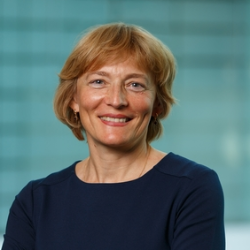 Svetlana Belyanskaya, PhD, Co-Founder, DEL Source; former DEL Platform Manager, GSK; Vice President, Biology, Anagenex
Dr. Svetlana Belyanskaya is an expert in small molecule drug discovery and a globally recognized leader in DNA-Encoded Library (DEL) technology. With over two decades of hands-on experience, she played a key role in the discovery of the first DEL-derived compound to advance into clinical trials—a landmark achievement that helped validate the platform’s potential.
Dr. Belyanskaya has been at the forefront of DEL innovation since its inception, driving platform development and hit discovery strategies at pioneering organizations such as Praecis Pharmaceuticals, GlaxoSmithKline (GSK), and Anagenex Inc. Her work integrates deep expertise in DEL screening, assay design, and early-stage drug development, bringing together scientific precision and strategic insight.
A passionate advocate for the DEL community, she is a frequent speaker at international conferences, the author of numerous publications, and an instructor of specialized courses on DEL applications in modern drug discovery. She also serves as a strategic advisor to emerging biotech companies leveraging DEL technologies.
Dr. Belyanskaya previously held senior scientific leadership roles at GSK and served as Vice President of Biology at Anagenex. She is currently the co-founder and executive leader at DEL Source Inc., where she continues to advance the field and shape the future of drug discovery. (LinkedIn).
SC5A SC5A: Advanced Molecular Pharmacology for Drug Discovery: Traps, Tips, and Tricks
Characterizing and understanding the interactions of potential therapeutic agents with their targets is fundamental to drug discovery. After first reviewing the fundamentals of pharmacology, we will conduct an in-depth exploration of pharmacology assays and screening funnels as they apply to the validation of hits and their optimization into clinical candidates. A key aim will be to distill important, but often poorly known, pharmacology and screening information in a concise format. This course will surface pitfalls and offer mitigations strategies on a range of relevant topics with a goal of providing practical information to help prosecute drug discovery projects more effectively from project inception all the way to clinical trials.
Instructor:
Fabien Vincent, PhD, Consultant; formerly Pharmacology Lab Head, Pfizer Inc.
Topics to be Covered:Â Â Â
- Fundamentals of pharmacology: binding and kinetics
- Mechanisms of action: types, value and consequencesÂ
- Assays: biochemical and cellular; principles and weaknesses
- Hit validation concepts and activities
- Screening funnels: types, characteristics and evolution
- Strategies for human translation and dose prediction​
Who Should Attend:
- Biologists using in vitro assays to characterize small molecules & biologics seeking to gain a deeper understanding of their craft and to gather actionable information for their work
- Medicinal chemists aiming to better interpret the pharmacology data they rely on and to ask critical questions
- Drug discovery scientists hoping to better understand the pharmacology data they encounter in their work
Attendees will leave this course with:Â
Practical knowledge of key concepts and strategies in pharmacology to use in their day-to-day work and bring back to their organizations.
INSTRUCTOR BIOGRAPHY:
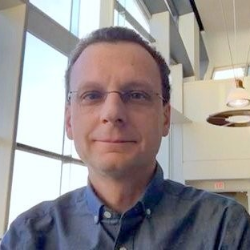 Fabien Vincent, PhD, Consultant; formerly Pharmacology Lab Head, Pfizer Inc.
Fabien Vincent is a senior drug discovery scientist with experience as both an in vitro pharmacology group leader and a drug discovery project leader. He gained expertise in pharmacology at Pfizer (2010-2025) as a laboratory head in the Primary Pharmacology Group. There, his laboratory supported the small molecule portfolio of the Immunology & Inflammation research unit, helping deliver 15 clinical candidates with two becoming FDA approved drugs (Abrocitinib, Ritlecitinib). His remit spanned target identification & validation, designing and executing hit identification & validation strategies, structure-activity relationships (SAR) support, mechanistic studies and study reports for the FDA. His main research interests are centered on drugging tough-but-well-validated targets and improving the translation of preclinical research to patients using physiologically relevant assays and phenotypic screening.
SC6A SC6A: Chemical Biology for Covalent Drug Discovery, Phenotypic Screening, and Target Deconvolution
This course is designed to provide an overview and best practices in the use of chemical biology probes and assays that have been developed for applications in early drug discovery. Next-generation chemoproteomic technologies such as proximity labeling proteomics (BioID, MicroMap, and MultiMap) and their application to drug discovery will also be discussed. Chemists and biologists working in lead generation, assay development, phenotypic screening, target discovery and deconvolution, target engagement and mechanism-of-action (MoA) studies will all benefit from attending this course. The instructors will share their knowledge and expertise around the use of various technologies and chemistries, and there will be time for open discussion and exchange of ideas.
Instructors:
Paul Brennan, PhD, Professor, Nuffield Department of Medicine, University of Oxford
Angelo Andres, PhD, Associate Principal Scientist, Chemical Biology, AstraZeneca
INSTRUCTOR BIOGRAPHIES:
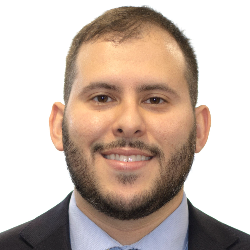 Angelo Andres, PhD, Associate Principal Scientist, Chemical Biology, AstraZeneca
Angelo Andres is an Associate Principal Scientist within the Chemical Biology & Proteomics group at AstraZeneca. Before embarking on his scientific journey he served in the GWOT with the U.S. Army. He then earned a PhD in Medicinal Chemistry from The University of Kansas where he specialized in the development of cellular probes and assays to study live cell target engagement by small molecules. At AstraZeneca he collaborates across functions to develop lysosomal degradation modalities, generate synthetic probes to facilitate lead generation, and applies proteomics to support drug discovery programs across multiple therapeutic modalities spanning small molecules, degraders, and cell therapies.
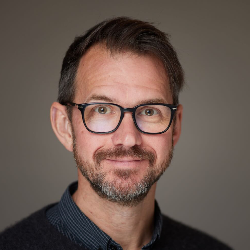 Paul Brennan, PhD, Professor, Nuffield Department of Medicine, University of Oxford
Paul Brennan received his PhD in organic chemistry from UC Berkeley. Following post-doctoral research at Cambridge University, Paul spent eight years working in the pharmaceutical industry at Amgen and Pfizer. After leaving Pfizer in 2011, Paul joined the Structural Genomics Consortium at the University of Oxford and led the chemical probes discovery effort on epigenetic targets. After leaving the SGC in 2019, Paul was Head of Chemistry and then Chief Scientific Officer of the Alzheimer’s Research UK Oxford Drug Discovery Institute where his research was focused on finding new treatments for dementia. In addition to dementia, over the course of his career, Paul has worked on discovering new medicines for cancer, incontinence, pain, rare diseases, and inflammation. Paul is currently Professor of Medicinal Chemistry and Director of the Centre for Medicines Discovery at the University of Oxford and a scientific advisor to the biotech and pharmaceutical industries. His research centre is focused on early medicines discovery for poorly treated diseases.
Monday, September 28, 2026 4:00 PM – 6:00 PM
SC7A SC7A: Building Agentic AI Workflows for Drug Discovery: From LLM Tools to Autonomous Discovery Pipelines
This short course examines how recent advances in generative AI and large language models (LLMs) are evolving toward agentic systems capable of orchestrating complex drug discovery workflows. Early applications of AI in drug discovery focused primarily on predictive modeling and generative molecular design. Increasingly, however, attention is shifting toward AI agents that can coordinate multiple models, databases, and computational tools within integrated discovery pipelines.
The session will discuss how LLMs can serve as scientific copilots, enabling researchers to interact with cheminformatics tools, literature resources, and molecular design platforms through natural language interfaces. Building on this foundation, the course will explore how agentic frameworks can be designed and implemented to construct practical AI workflows for drug discovery. These workflows may integrate molecular generation models, synthesis planning systems, knowledge retrieval tools, and experimental feedback loops within coordinated multi-agent environments.
Using selected examples and recent developments in the field, the course will illustrate how multi-agent systems are beginning to move AI beyond isolated prediction models toward more integrated discovery assistants capable of supporting the full research cycle, from target understanding to molecule design and optimization. The session will also highlight practical architectures, emerging frameworks, and key considerations for scientists interested in building agentic AI workflows in real-world drug discovery environments.
Instructors:
Parthiban Srinivasan, PhD, Professor and Director, Centre for AI in Medicine, Vinayaka Mission's Research Foundation, India
Petrina Kamya, PhD, Global Head of AI Platforms & Vice President, Insilico Medicine; President, Insilico Medicine Canada
INSTRUCTOR BIOGRAPHIES:
 Parthiban Srinivasan, PhD, Professor and Director, Centre for AI in Medicine, Vinayaka Mission's Research Foundation, India
Parthiban Srinivasan, an experienced data scientist, earned his PhD from Indian Institute of Science, specializing in Computational Chemistry. After his PhD, he continued the research at NASA Ames Research Center (USA) and Weizmann Institute of Science (Israel). Then he worked at AstraZeneca in the area of Computer Aided Drug Design for Tuberculosis. Later, he headed informatics business units in Jubilant Biosys and then in GvkBio before he floated the company, Parthys Reverse Informatics and later an AI consultancy, Vingyani. Then he returned to academia as a Professor of Data Science at the Indian Institute of Science Education and Research, Bhopal. Currently, Parthiban is a Professor and Director at the Center for AI in Medicine, Vinayaka Missions Research Foundation, AV Medical College and Hospital, Puducherry, India
 Petrina Kamya, PhD, Global Head of AI Platforms & Vice President, Insilico Medicine; President, Insilico Medicine Canada
Petrina Kamya, PhD, is the Head of AI Platforms and President of Insilico Medicine, Canada an end-to-end artificial intelligence-driven drug discovery company. Before joining Insilico, Dr. Kamya spent eight years in various roles at Chemical Computing Group that involved scientific and business-related aspects of preclinical drug discovery. In addition to establishing the corporate strategy for the sales and business development of molecular modeling software for academia, she also played an active role as an application scientist working on real-world discovery projects and finally in a senior role in strategy and business development for pharma and biotech companies. Following her time at CCG, Petrina moved to Certara as a Market Access Manager, where she learned first-hand the challenges of getting drugs to market. Petrina has been with Insilico Medicine since August 2020. She holds a PhD in Chemistry (specializing in computational chemistry) from Concordia University.
SC8A SC8A: Best Practices for Targeting GPCRs, Ion Channels, and Transporters with Monoclonal Antibodies
Complex membrane proteins are important therapeutic targets and together represent the majority of protein classes addressed by therapeutic drugs. Significant opportunities exist for targeting complex membrane proteins with antibodies, but it has been challenging to discover therapeutic antibodies against them. This course will examine emerging technologies and strategies for enabling the isolation of specific and functional antibodies against GPCRs, ion channels, and transporters, and highlight progress via case studies.
4:00 PM Best Practices for Targeting GPCRs, Ion Channels, and Transporters with Monoclonal Antibodies
Joseph Rucker, PhD, Vice President, Research and Development, Integral Molecular, Inc.
Complex membrane proteins are important therapeutic targets and together represent the majority of protein classes addressed by therapeutic drugs. Significant opportunities exist for targeting complex membrane proteins with antibodies, but it has been challenging to discover therapeutic antibodies against them. This course will examine emerging technologies and strategies for enabling the isolation of specific and functional antibodies against GPCRs, ion channels, and transporters, and highlight progress via case studies.
INSTRUCTOR BIOGRAPHY:
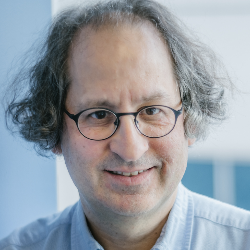 Joseph Rucker, PhD, Vice President, Research and Development, Integral Molecular, Inc.
Joe Rucker is the Vice President of Research & Development, a co-founder of Integral Molecular and an inventor of Integral Molecular’s founding Lipoparticle technology. Since joining the company, he has led the development of new applications for Lipoparticle technology, including its use in generating novel antibodies against membrane proteins. Dr. Rucker earned his PhD from the University of California, Berkeley and completed postdoctoral studies at the University of Pennsylvania.
SC9A SC9A: Fragment-Based Drug Design: Advancing Tools and Technologies
This course aims to introduce the fundamentals of Fragment-Based Lead Discovery (FBLD) to attendees. The first section will focus on the concepts of using fragments for hit generation. Special emphasis will be placed on practical pitfalls and the many ways to advance fragments to leads and drugs. The second part of the course will discuss the variety of fragment screening methods and when they are best applied. The composition of fragment libraries will also be discussed in detail. The attendees should come away from this course with a solid understanding of what FBLD is and how to apply it.
Daniel A. Erlanson, PhD, Chief Innovation Officer, Frontier Medicines Corporation
Chaohong Sun, PhD, Senior Director, Target Enabling Technologies, AbbVie, Inc.
INSTRUCTOR BIOGRAPHIES:
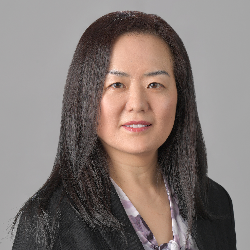 Chaohong Sun, PhD, Senior Director, Target Enabling Technologies, AbbVie, Inc.
Chaohong Sun is a Sr. Research Fellow and Sr. Director in Discovery Research organization at Abbvie, where she leads an organization including protein sciences, different screening platforms, centralized assays and structural biology to support Abbvie small molecule projects. She also heads up the lead discovery strategy team that is responsible to set and execute integrated lead generation strategies (including fragment-based approach, DEL and HTS) for Abbvie’s early portfolio targets. She received her Ph.D. from Dartmouth College in biophysical chemistry and then joined Abbott as a postdoctoral research fellow to study structures and functions of proteins involved in apoptosis pathway before becoming a staff scientist. She is coauthor of over 65 peer reviewed scientific publications and patents.
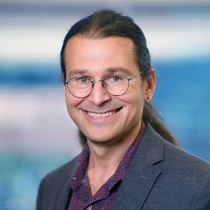 Daniel A. Erlanson, PhD, Chief Innovation Officer, Frontier Medicines Corporation
Dr. Daniel A. Erlanson is the Chief Innovation Officer for Frontier Medicines, which is using covalent fragments, machine learning, and chemoproteomics to target proteins often thought undruggable. Prior to Frontier he co-founded Carmot Therapeutics, where he contributed to two clinical-stage molecules. Before Carmot, Dr. Erlanson spent a decade developing fragment-based discovery technologies and leading medicinal chemistry projects at Sunesis Pharmaceuticals. Dr. Erlanson was an NIH postdoctoral fellow with James A. Wells at Genentech, earned his PhD in chemistry from Harvard University in the laboratory of Gregory L. Verdine, and his BA in chemistry from Carleton College. He has co-edited two books on fragment-based drug discovery and is an inventor on more than a dozen issued patents and an author of more than forty scientific publications. He also runs a blog devoted to fragment-based drug discovery, Practical Fragments (http://practicalfragments.blogspot.com/).